
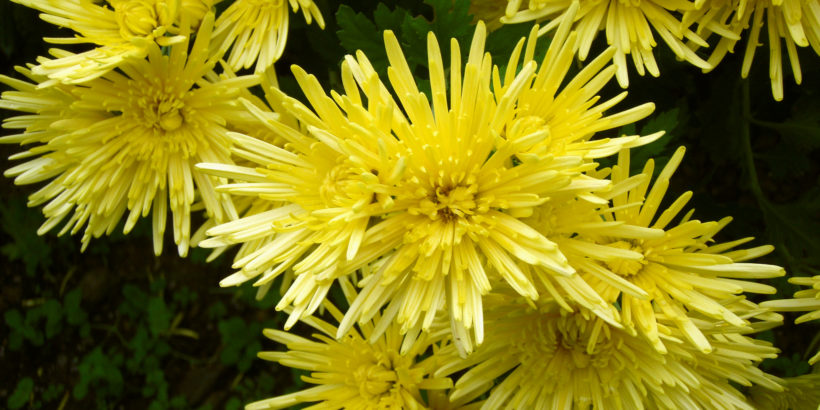
Chrysanthemum (Dendranthema morifolium) is a flowering herb treasured for centuries in Chinese cultures as a health‑promoting tea and vegetable. Apart from its culinary use, chrysanthemum is rich in bioactive compounds, such as flavonoids, phenolic acids and polysaccharides, which are linked to diverse health benefits. Studies show that its extract can influence cancer biology, support metabolic health and regulate immune function, reinforcing its value in integrative health.
1. Anticancer Effects
Laboratory studies reveal that chrysanthemum flavonoids and phenolic acids, such as luteolin, apigenin, rutin and quercetin, can influence key pathways that drive tumour growth. In breast cancer models, these compounds could bind to oestrogen and progesterone receptors, thereby blocking hormonal signals that stimulate tumour development. Chrysanthemum extracts have also shown anticancer effects in various cancer cell types, including prostate, gastric and lung cancers, primarily by triggering the cell’s self-destruct program called apoptosis (Figure 1).
Interestingly, chrysanthemum may also help overcome chemotherapy resistance by inhibiting P‑glycoprotein (P‑gp), a drug‑efflux pump that cancer cells use to expel chemotherapy agents. By blocking P‑gp, chrysanthemum increases drug retention inside drug-resistant cancer cells, which effectively re-sensitises them to chemotherapy. While no clinical trials have yet tested chrysanthemum in cancer patients, the encouraging preclinical results suggest it could play a supportive role as a natural adjunct in complementary cancer care.
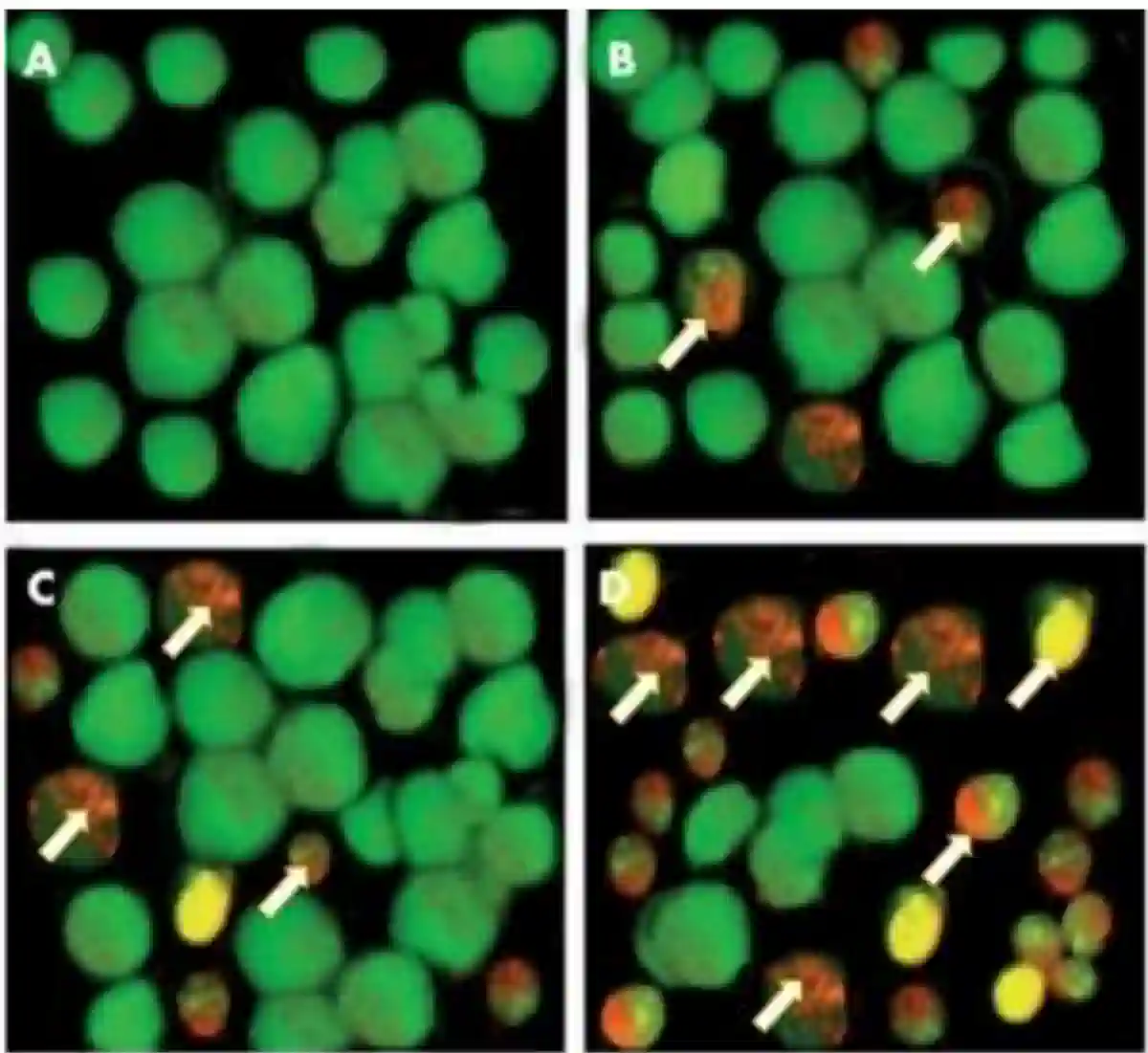
Figure 1. Chrysanthemum compound triggers apoptotic cell death in human prostate cancer cells. Under the microscope, healthy cells appear green, while dying cells show orange or yellow signals. The white arrows point to prostate cancer cells in the process of early or late apoptosis, which becomes more common as the dose of chrysanthemum increases (0, 10, 50 and 150 µM). Source: Sun et al. (2017), African Journal of Traditional, Complementary and Alternative Medicine.
2. Gut Microbiota Modulation
Recent preclinical studies reveal that chrysanthemum can modulate the gut microbiota in a manner that protects against metabolic diseases, such as obesity, fatty liver diseases and diabetes. For example, a 2025 study showed that chrysanthemum extract prevented obesity in mice fed a high‑fat diet by curbing the overgrowth of pro‑inflammatory gut microbes. This rebalancing of the gut microbiota lowered systemic inflammation, strengthened the gut barrier, improved blood lipid profiles, and ultimately mitigated the gain of excessive body weight. Similarly, two studies in 2024 reported that chrysanthemum improved liver fatty acid oxidation and glucose metabolism by regulating the gut microbiota, thereby preventing the development of fatty liver and diabetes (Figure 2).
The gut microbiota is increasingly recognised as a cornerstone of overall health, influencing metabolism, immune function and organ health. Chrysanthemum extract supports gut microbiota due to its rich polysaccharide content, which acts as a prebiotic that fosters the growth of beneficial gut bacteria like Lactobacillus and Bifidobacterium. Once metabolised by gut microbes, these polysaccharides generate short-chain fatty acids (SCFAs), which are potent anti-inflammatory compounds that strengthen the gut barrier and support metabolic health.
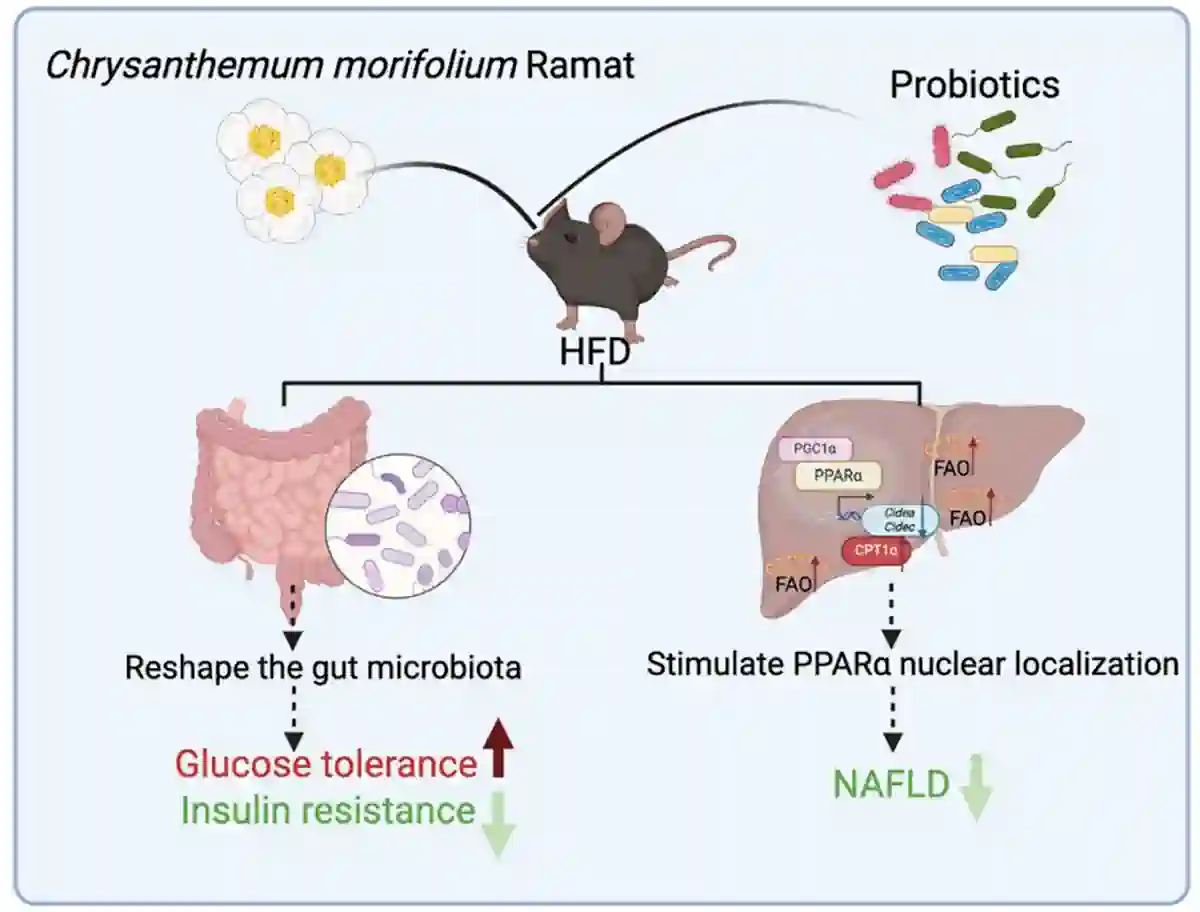
Figure 2. How chrysanthemum extract and probiotics improve liver and metabolic health. In a mouse model of diet‑induced metabolic disease, chrysanthemum and probiotic co-treatment reshaped the gut microbiota, improving glucose tolerance and reducing insulin resistance. It also stimulated liver pathways that enhance fat burning (fatty acid oxidation), which reduced fat build-up in the liver and prevented non-alcoholic fatty liver disease (NAFLD). Note: Although this study examined chrysanthemum and probiotic co‑treatment, similar benefits have been observed with chrysanthemum alone in other studies. Source: Gao et al. (2024), Chinese Medicine.
3. Immunomodulatory and Anti-Inflammatory Effects
A growing body of research also supports the immunomodulatory capacity of chrysanthemum. For instance, a 2022 study found that polysaccharides extracted from chrysanthemum enhanced the expansion and phagocytic activity of macrophages. As part of the innate immune system, macrophages act as a first line of defence by engulfing (i.e., phagocytosing) harmful invaders such as pathogens, dead cells and even cancer cells. Notably, chrysanthemum polysaccharides are being explored as potential vaccine adjuvants for boosting immune responses and vaccine efficacy.
Chrysanthemum can also temper excessive immune activation as part of its immunomodulatory roles. Preclinical research shows that chrysanthemum extract could suppress overactive immune activities in chronic inflammatory conditions, such as inflammatory bowel disease, dermatitis (skin inflammation) and peritonitis (abdominal wall inflammation). Such anti-inflammatory effects align with an early clinical trial in which chrysanthemum extract reduced pain and improved physical function in people with knee osteoarthritis (joint inflammation) compared to the placebo group. No adverse reactions were noted in this trial, favouring the safety of chrysanthemum extract. Collectively, the literature suggests that chrysanthemum helps maintain immune balance, supporting both protective immunity and inflammation control.